E•ENGINEERING
DESK TOOLS

Free engineering calculators that show their working

Convert, size and check electrical, instrumentation, mechanical and maintenance numbers. Every result comes with the formula, the assumptions and a worked example.

  • 37 calculators
  • 6 Excel workbooks
  • 22 guides
  • No sign-up. Inputs stay in your browser.
Drag the slider. A 4–20 mA pressure transmitter, 0 to 10 bar.
Loop current12.0 mA
Of span50.0 %
Pressure5.00 bar

Normal range

Use the full 4–20 mA calculator

What are you working on?

Engineering tools

42 tools · instant results

READY FOR YOUR DATA

Enter your values, then select Calculate.

Formula & assumptions

I = S × 1000 / (√3 × V) for three-phase; I = S × 1000 / V for single-phase.

Three-phase voltage is line-to-line RMS. This is load current, not a cable size or breaker recommendation. kVA is apparent power; power factor is not needed.

BUILT FOR YOUR MAINTENANCE DESK

Your data. A clearer dashboard.

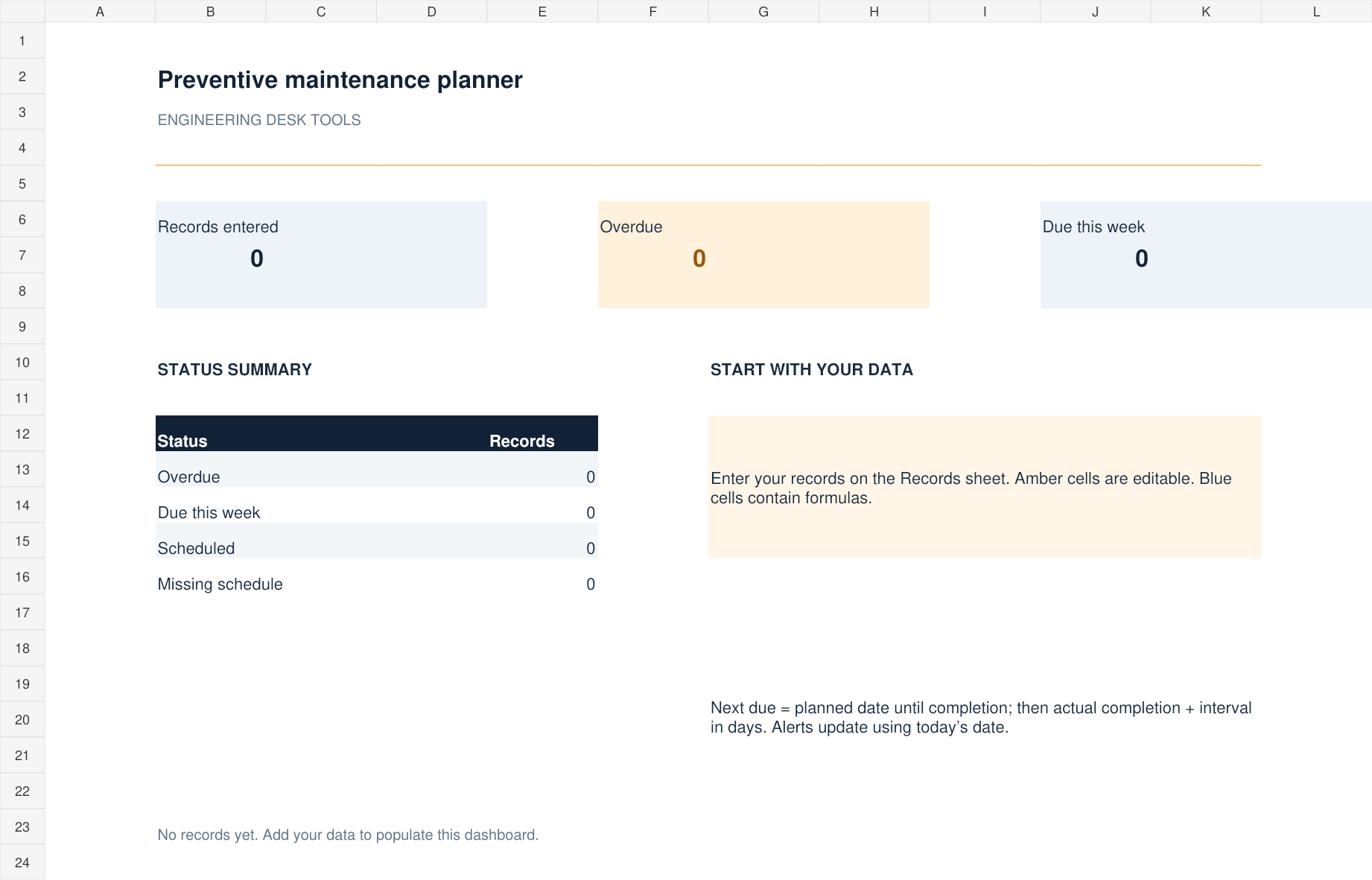
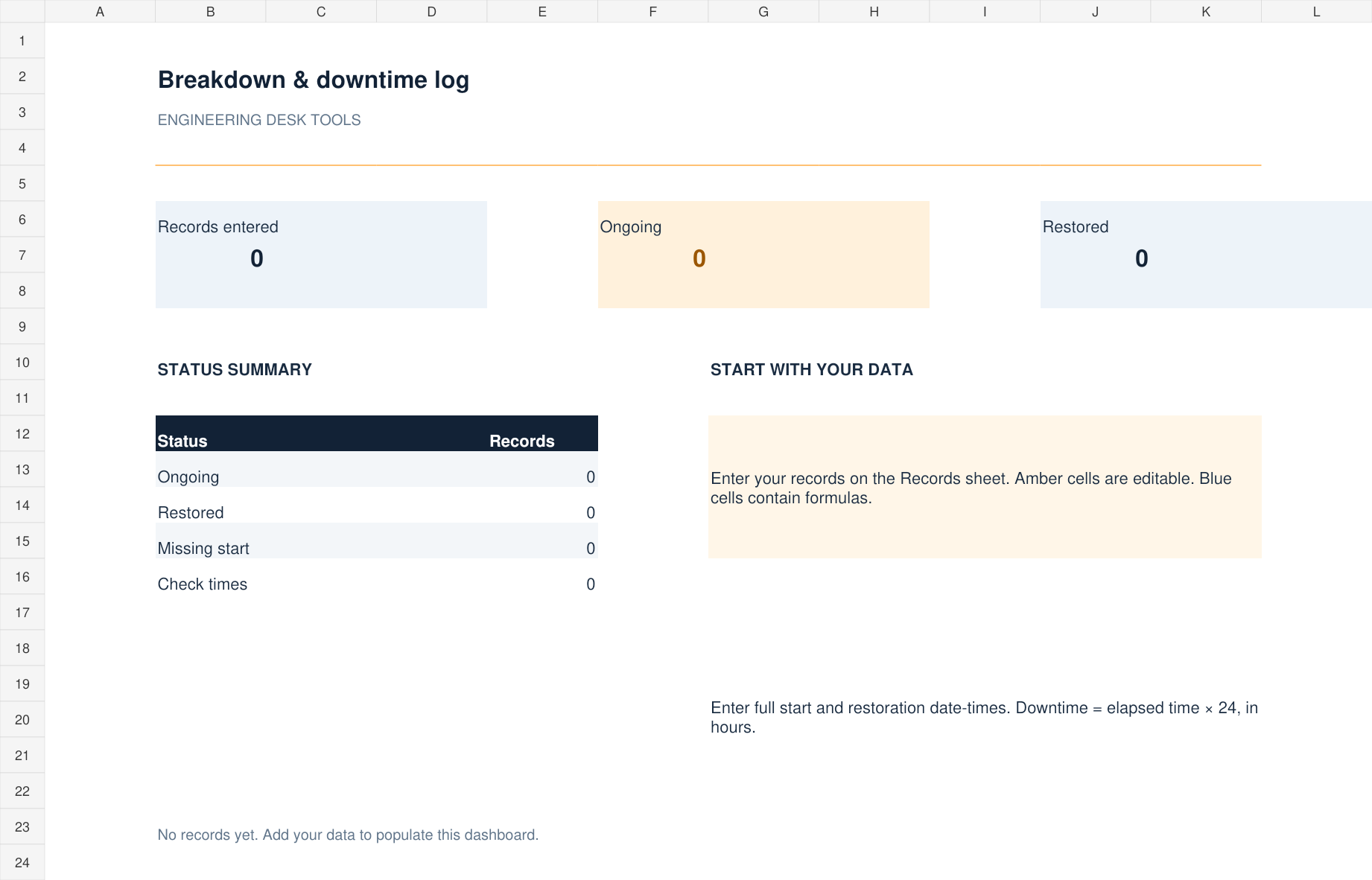
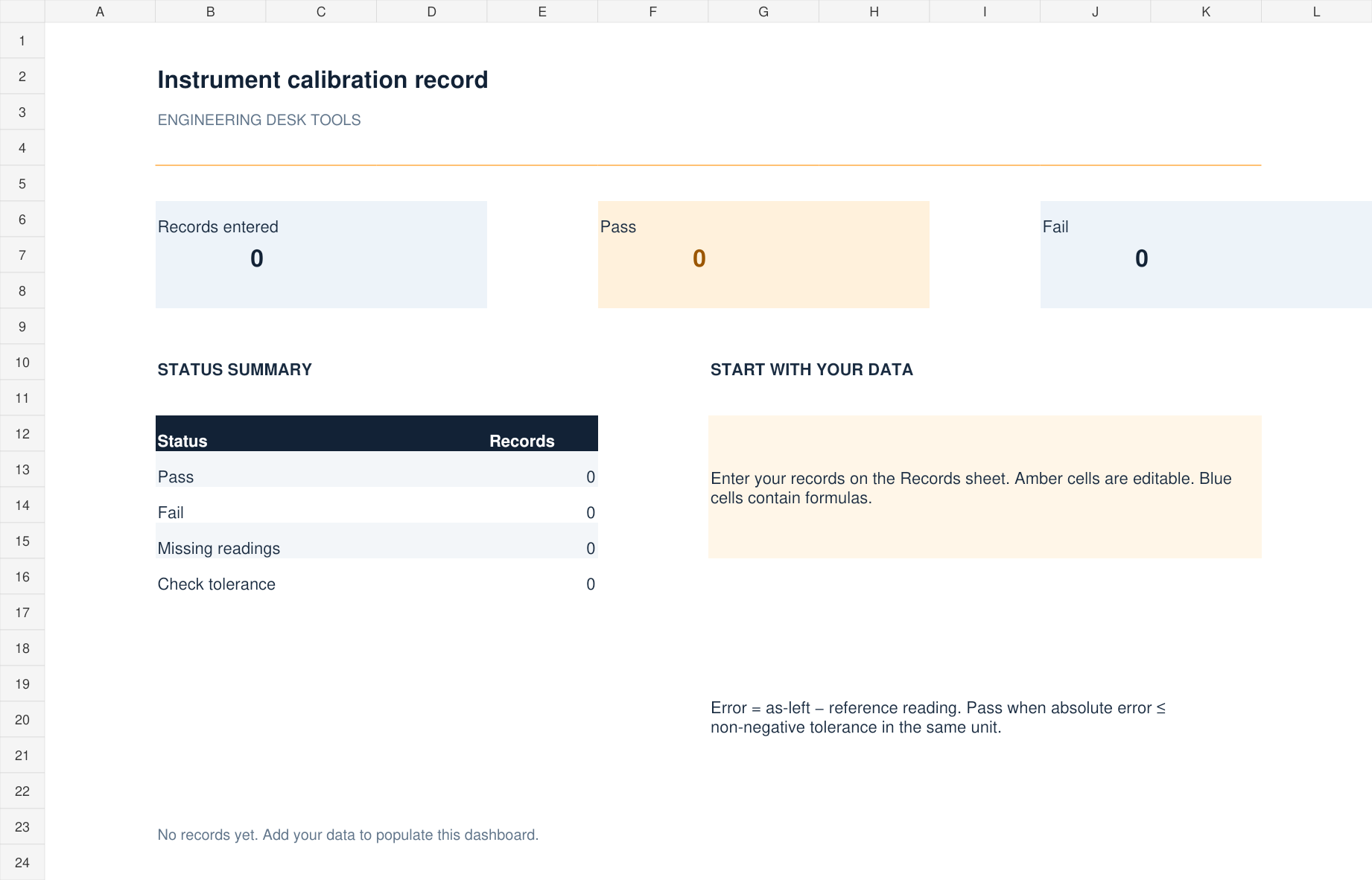
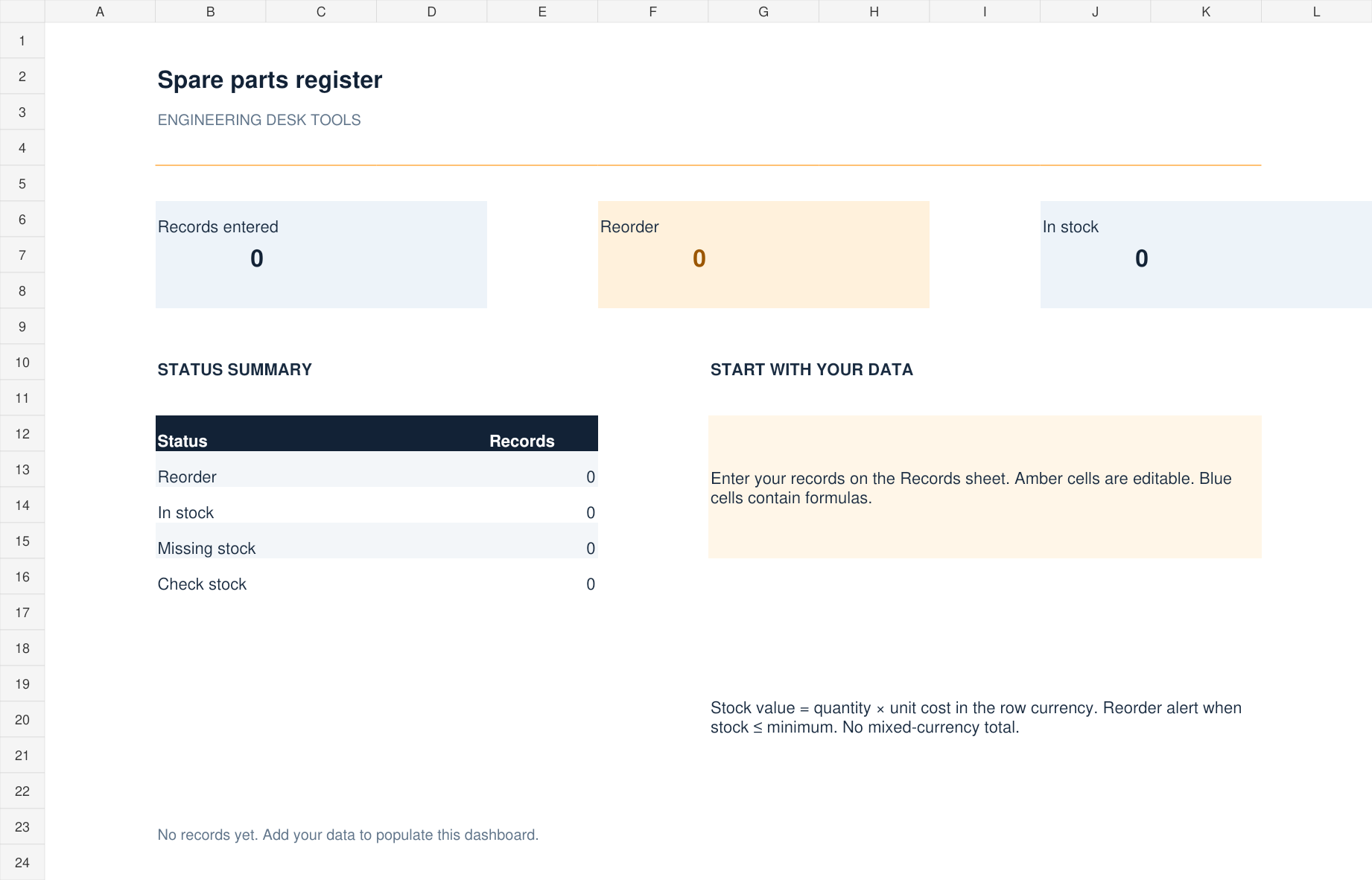
06 free Excel workbooks

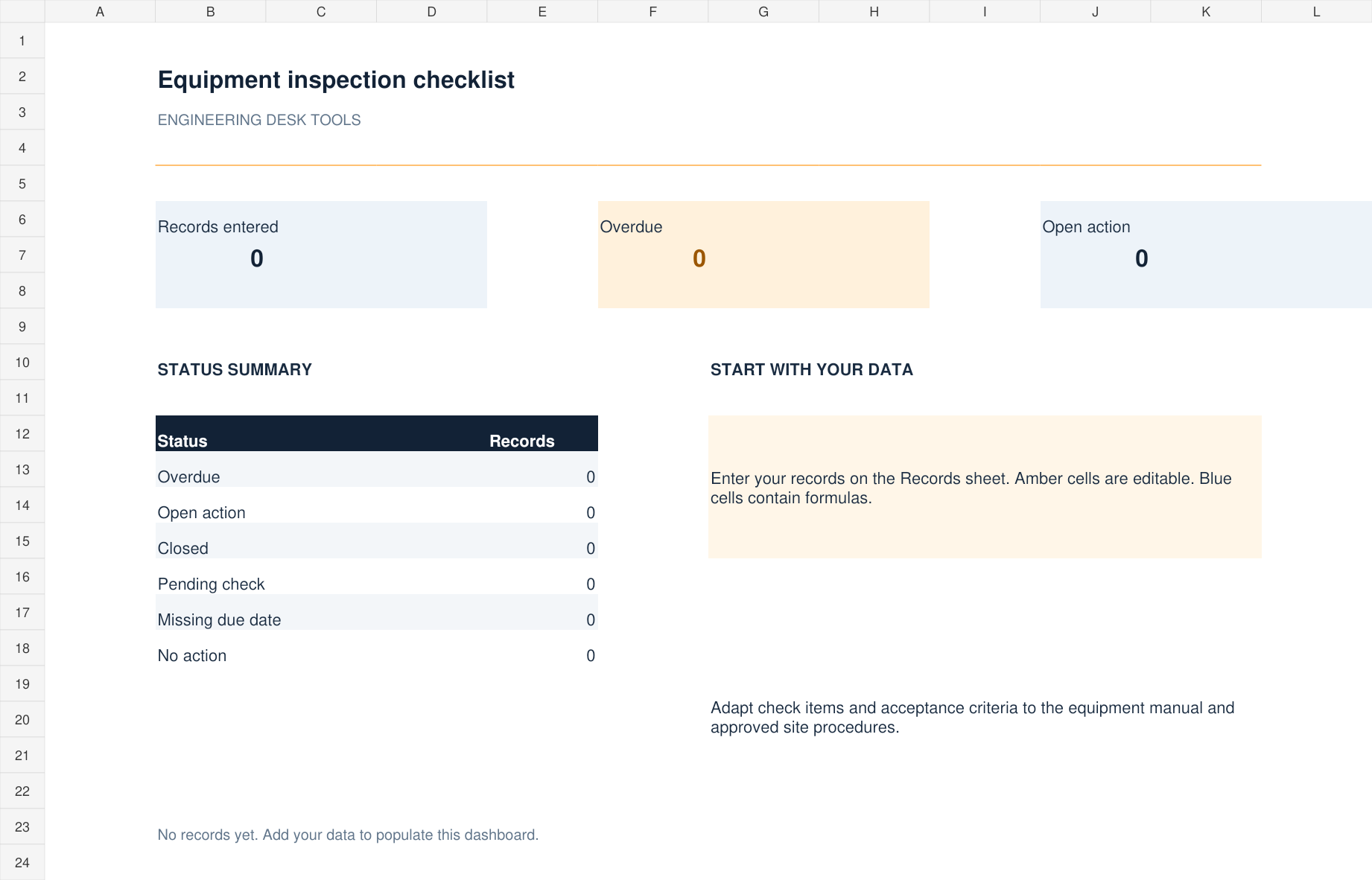
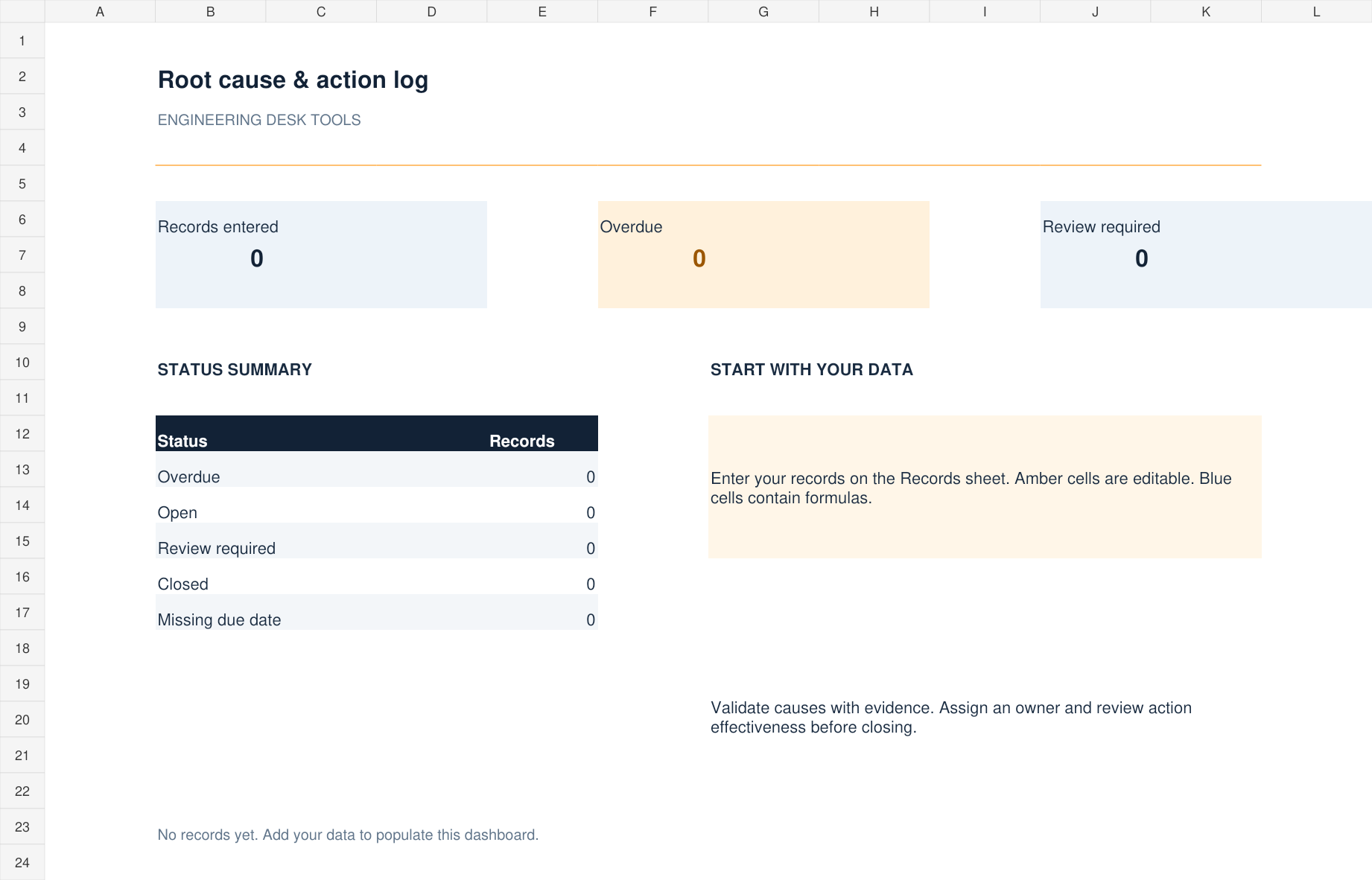
Organize maintenance, track actions and see what needs attention. Each workbook includes formulas, a live dashboard with charts, dropdown lists, built-in checks and 500 blank rows ready for your records.

Previews show each dashboard filled with fictional example data; your download opens with blank records. Click a preview to enlarge it. Adapt frequencies, tolerances and approval steps to your equipment and site procedures.

SHOW THE WORK

A useful result starts
with clear assumptions.

Every calculator shows its equation, units and limits. Enter your own values to calculate a result. Inputs start blank every time you open or switch tools.

01

Transparent calculations

Read the formula and reference alongside the result.

02

Your inputs stay on your device

Calculations run in your browser. We use Google Analytics to understand visits and website usage. Calculator input values are not sent to Analytics. You can choose whether to allow Analytics cookies using Cookie settings.

03

Use engineering judgment

These tools support estimates and learning. Verify against equipment data and applicable requirements before making a design or operating decision.